

Property Lawyer
John Odisho Putrus leads our team of solicitors and specialists in both Parramatta and Fairfield offices.
He has over 15 years experience helping people just like you in Western Sydney.s the only Accredited Specialist in Family Law in Fairfield, John has passed a series of detailed tests and assessments that confirm his knowledge of family law and how it applies in practice.

Property Lawyer
John Bui has over 10 years experience in family law and commercial litigation which often sees John
being called to provide expertise in matters that have an international element involving complex company, trust, partnership and valuation issues.

Property Lawyer
Olivia Wilkins Associates shortly before her admission to the Supreme Court of New South Wales in October
2008. She Associates shortly before her admission to the Supreme Court of New South Wales in October 2008.

Property Lawyer
Riana Steyn is responsible for the firms overall strategic direction, client relationships and culture.
She brings to the role 15 years senior strategic and operational leadership experience. She has previously worked in senior roles in the financial and professional services sector in Australia and internationally.

Property Lawyer
John Fasha graduated with First Class Honours in his Law degree and has been a Solicitor of the Supreme
Court of NSW and the High Court of Australia since 2003. Is currently undertaking a Master of Laws in Family Law.

Property Lawyer
Phuong Huynh is a Licensed Conveyancer and is a Partner at Alliance. She joined the team in 2011 and
since then has gained extensive knowledge and valuable experience in various areas of law.

Property Lawyer
Yanett Maurice Under the guidance of her successful real estate parents,Yanett has amassed over 27 years
experience skilled in every aspect of real estate.
Property Lawyer
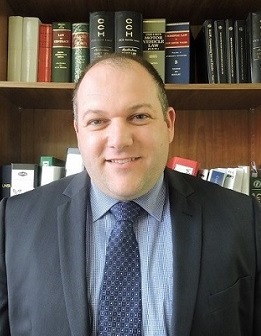
Daniel Romeo is a solicitor at M D DI RE Solicitor & Attorney. He was admitted as a Solicitor of the
Supreme Court of NSW in 2005.Daniel is a member of the Law Society of New South Wales.
Property Lawyer
Joyce Castro is an Australian lawyer with a Filipino background. She has been working in the legal profession
since 2012 and was admitted as a Solicitor in the Supreme Court of New South Wales in 2014.

Property law is the area of law that governs legal rights, ownership, possession, use, transfer, and other legal interests associated with property. It covers both movable property, such as vehicles and personal belongings, and immovable property, including land, residential homes, commercial buildings, and certain rights associated with land.
Because property transactions can involve substantial financial commitments and complex legal obligations, working with an experienced property lawyer can help individuals and businesses understand their rights and responsibilities and reduce potential legal risks.
A property lawyer can provide legal advice and assistance with a wide range of matters, including property purchases and sales, contracts, conveyancing, leases, property development, land disputes, title issues, easements, and other real estate matters.
Property law deals with the legal relationship between individuals, businesses, and property. Unlike movable objects, land and other forms of real property involve legal rights that may not be physically visible but can nevertheless be owned, transferred, protected, or enforced under the law.
For example, property law may determine:
Who legally owns a property
How ownership can be transferred
What rights an owner has over land
How property can be bought or sold
What obligations apply to landlords and tenants
How leases and property contracts operate
How easements and other interests in land are created
How property disputes can be resolved
What legal requirements apply to property development
For this reason, obtaining advice from an experienced property lawyer can be particularly important before entering into a significant property transaction.
Property law is based on a number of important principles that help establish how property rights are created, recognised, transferred, and protected.
The principle of publicity relates to making property rights recognisable to third parties. In relation to land, registration systems play an important role by recording ownership and certain legal interests associated with a property.
Proper documentation and registration can provide greater certainty regarding who owns a property and what rights or interests may exist over the land.
The principle of absoluteness generally refers to the concept that certain property rights can be enforced against other people, subject to applicable laws and legal restrictions.
Property ownership, however, does not necessarily provide unlimited rights. Owners may still be subject to planning regulations, environmental requirements, contractual obligations, easements, leases, and other restrictions affecting the use of their property.
The principle of specialty concerns the requirement that property rights relate to identifiable property. In real estate transactions, this can involve accurately identifying the relevant land, title, boundaries, and associated legal interests.
This is one reason why careful review of property titles and contracts is important when buying or selling real estate.
The type constraint principle reflects the idea that property law recognises specific categories of property rights. The legal rights available to an owner, tenant, mortgagee, or another interested party depend on the nature of the property interest involved and the applicable legal framework.
A property lawyer can help explain which legal rights and obligations apply to a particular property transaction or dispute.
The principle of abstractness concerns the distinction between the legal transaction that creates or transfers a property interest and the underlying agreement or obligation between the parties.
The way this principle operates can vary depending on the relevant legal system and circumstances. Professional legal advice is therefore recommended when dealing with complex property ownership or transfer arrangements.
Property transactions can involve complicated contracts, substantial financial commitments, strict deadlines, and legal requirements. An experienced real estate lawyer can help you understand the documentation and identify potential issues before they become expensive problems.
A property lawyer may assist with:
Residential property purchases
Residential property sales
Commercial property transactions
Property conveyancing
Contract reviews
Property settlements
Commercial and residential leases
Property development
Land and title issues
Easements and covenants
Property disputes
Landlord and tenant matters
Property due diligence
If you are purchasing, selling, developing, leasing, or disputing property, obtaining professional legal advice can help protect your interests and support a smoother transaction.
When searching for a property lawyer, real estate lawyer, or property law firm, consider their experience with the specific type of matter you are dealing with. You should also consider their reputation, communication, knowledge of local property laws, and fee structure.
For clients dealing with property transactions in a particular location, choosing a local property lawyer who understands the applicable state or territory legislation and property procedures can be especially beneficial.
Property law governs a broad range of legal rights and relationships involving land, buildings, and other forms of property. Understanding the principles of property ownership, property rights, property transactions, and real estate law can help individuals and businesses make better-informed decisions.
Whether you are buying a home, selling an investment property, negotiating a lease, developing land, or dealing with a property dispute, an experienced property lawyer can provide valuable legal guidance and help you understand your rights and obligations.
For complex or high-value property matters, it is advisable to seek independent advice from a qualified legal professional before signing contracts or making important decisions.